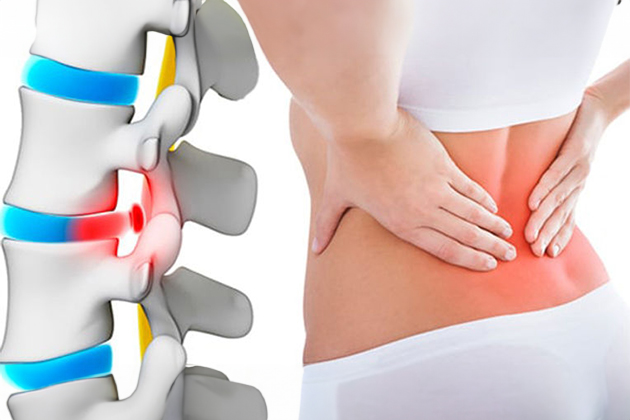
What is Radiculopathy?
Radiculopathy is a condition resulting from the compression, irritation, or inflammation of nerve roots emerging from the spinal cord. This affects the nerve roots, leading to symptoms like pain, numbness, tingling, and muscle weakness in the neck, back, or lower back. Radiculopathy typically arises from conditions like herniated spinal discs, degenerative disc disease, or bone spurs (osteophytes).
Symptoms
The symptoms of radiculopathy vary depending on the affected nerve root:
Cervical Radiculopathy (Neck Radiculopathy):
- Neck Pain: Pain radiating from the neck to the shoulder, arm, and sometimes the fingers.
- Numbness and Tingling: Numbness or tingling in the arm and hand.
- Muscle Weakness: Weakness in the arm and hand muscles.
- Reflex Changes: Decreased or absent reflexes in the arm.
Lumbar Radiculopathy (Lower Back Radiculopathy):
- Lower Back Pain: Pain radiating from the lower back to the hip, leg, and foot (sciatic pain).
- Numbness and Tingling: Numbness or tingling in the leg and foot.
- Muscle Weakness: Weakness in the leg and foot muscles.
- Reflex Changes: Decreased or absent reflexes in the leg.
Causes
- Herniated Disc: Herniation of discs between vertebrae compressing nerve roots.
- Degenerative Disc Disease: Wear and tear of discs over time.
- Osteophytes: Bone spurs on the edges of vertebrae.
- Trauma: Injuries or impacts to the spine.
- Infections: Infections in the spine or nerve roots.
- Tumors: Tumors in the spine or nerve roots.
Diagnosis
- Physical Examination: The doctor evaluates symptoms like pain, numbness, tingling, and muscle weakness.
- Imaging Techniques: MRI, CT scan, or X-ray to investigate the causes of nerve root compression.
- Electrodiagnostic Tests: Electromyography (EMG) and nerve conduction studies to assess nerve function.
Treatment
Medication:
- Pain Relievers: Nonsteroidal anti-inflammatory drugs (NSAIDs) and analgesics.
- Muscle Relaxants: To relieve muscle spasms.
- Steroids: Oral or injectable steroids to reduce inflammation.
Physical Therapy:
- Exercise Programs: Strengthening and stretching exercises.
- Heat/Cold Applications: Used to relieve pain.
- Manual Therapy: Techniques applied by a physical therapist.
Injection Therapy:
- Epidural Steroid Injections: Steroid injections around the nerve root to reduce inflammation.
Surgical Treatment:
- Discectomy: Removal of part or all of a herniated disc.
- Laminectomy: Removal of a portion of the vertebral bone to widen the spinal canal.
- Fusion Surgery: Stabilizing the spine by fusing vertebrae together.
Lifestyle and Preventive Measures
- Correct Posture: Maintain proper posture while sitting, standing, and sleeping.
- Regular Exercise: Engage in regular exercise to maintain spinal health.
- Avoid Heavy Lifting: Lift heavy objects using the correct technique or avoid lifting altogether.
- Weight Control: Maintain a healthy weight to reduce pressure on the spine.
Radiculopathy can be managed with early diagnosis and appropriate treatment. If symptoms are severe or persistent, it is essential to consult a healthcare professional.
Frequently Asked Questions
Radiculopathy is a condition that arises from the compression or irritation of nerve roots exiting the spinal cord. This compression or irritation is usually caused by a herniated disc, bone spurs (osteophytes), spinal stenosis (narrowing of the spinal canal), or spinal injuries. This pressure on the nerve roots leads to symptoms such as pain, numbness, and weakness.
The symptoms of radiculopathy vary depending on which region of the nerve root is affected:
Cervical Radiculopathy (Neck Region): Neck pain, pain in the shoulder, arm, or hand, numbness or tingling in the arm or hand, and weakness in the arm or hand.
Thoracic Radiculopathy (Upper Back Region): Upper back pain, pain in the chest or abdomen, numbness or tingling.
Lumbar Radiculopathy (Lower Back Region): Lower back pain, pain in the hip, leg, or foot, numbness or tingling in the leg, and weakness in the leg.
Treatment for radiculopathy varies depending on the severity of the symptoms and the underlying cause. Non-surgical treatment options include pain relievers, anti-inflammatory medications, physical therapy, epidural steroid injections, and heat/cold therapy. Surgical treatment options include discectomy (removal of the herniated disc), laminectomy (removal of bone or tissues compressing the nerve roots), and spinal fusion (joining of vertebrae).
Surgical intervention in radiculopathy treatment is necessary in cases where conservative treatment methods do not relieve severe pain or neurological symptoms, where there is significant compression on the nerve root, and where the condition severely affects the patient’s quality of life. The goal of surgical treatment is to reduce the pressure on the nerve roots and alleviate the patient’s symptoms. Surgical options are determined based on the patient’s condition and specific needs.